Acoustic Panels & Bass Traps for Studios — Not Foam
Text 323-640-1655
You’ve invested time and money into quality gear—interfaces, microphones, monitors, instruments, and outboard equipment. The missing piece in many studios isn’t more gear, it’s how the room sounds once that gear is in use.
Foam only treats a narrow part of the frequency range. It can reduce some high-frequency reflections, but it doesn’t address midrange buildup or low-frequency problems that cause rooms to sound uneven and unreliable.
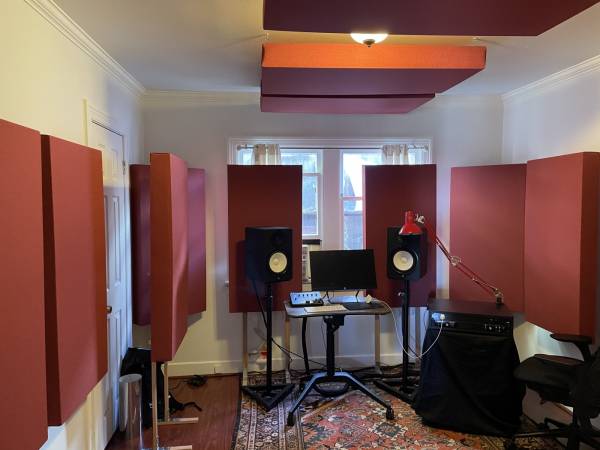
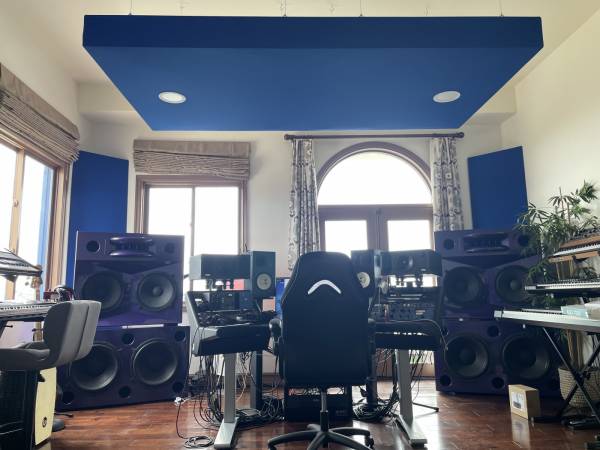
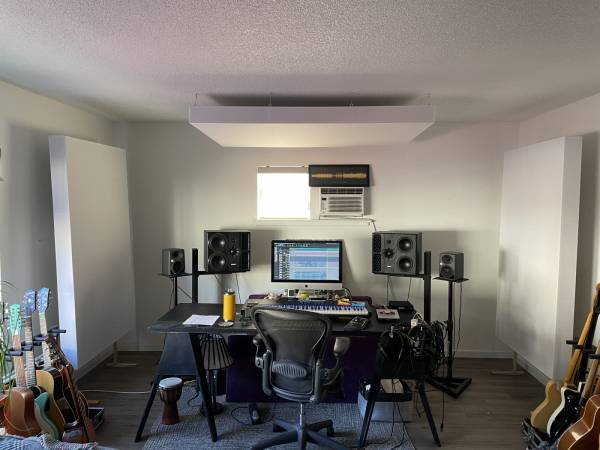
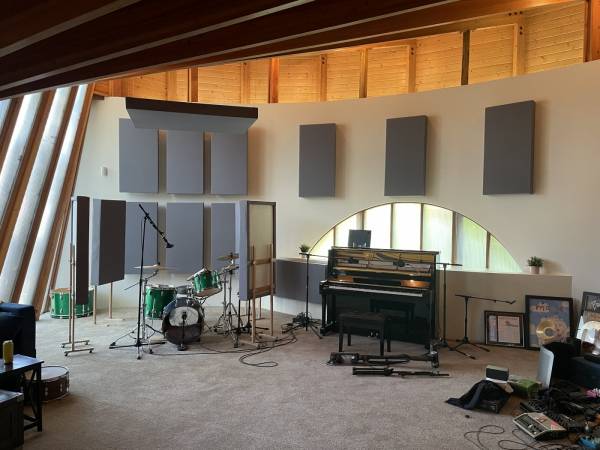
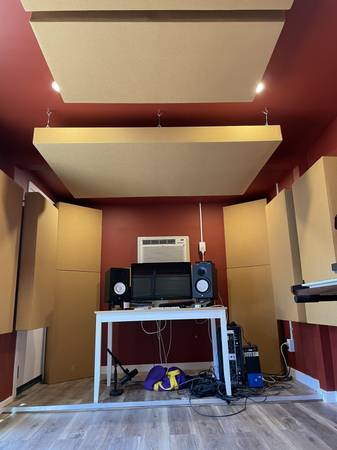
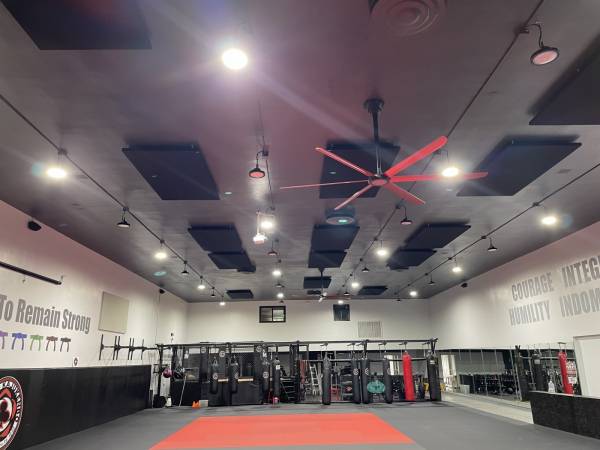
Acoustic Panels and Bass Traps are designed to control sound across the full frequency range. By absorbing reflections from parallel walls, ceilings, and corners, they help reduce peaks and dips that make mixes, recordings, and playback inconsistent.
With proper acoustic treatment, speakers translate more accurately, microphones capture cleaner detail, and decisions come faster with fewer revisions. This saves time, reduces frustration, and allows your equipment to perform the way it was intended.
Our Acoustic Panels and Bass Traps are built using Ultacoustic technology, designed by a Berklee-trained professional musician, and constructed with 100% premium polyester and dense internal absorption materials selected for predictable performance in real rooms.
Panel and bass trap options include 1", 2", 3", 4", 6", 8", and 9" panels, along with Triangle Bass Traps and Column Bass Traps. Different formats and thicknesses are used depending on room size, layout, and speaker placement.
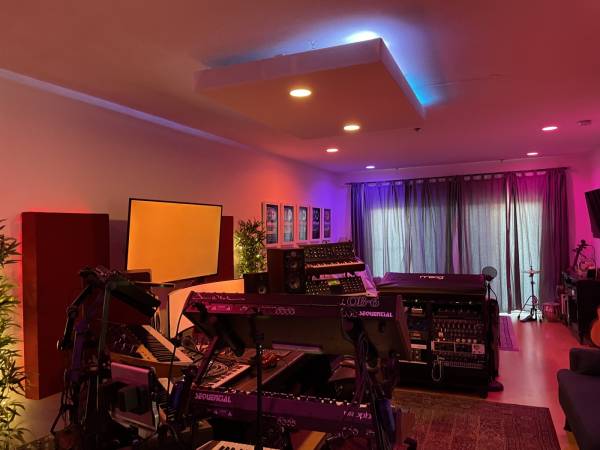
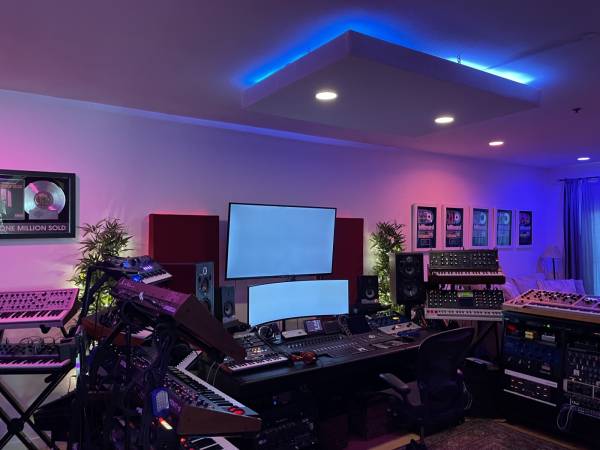
We also provide all mounting hardware options, LED strip lighting, recessed LED lighting for ceiling clouds, and 49 fabric color choices so treatment integrates cleanly into the room without compromising the look.
All products are manufactured in Los Angeles. We provide delivery and installation from San Diego to San Francisco, including Sacramento, and ship nationwide for clients outside our service area.
For clients installing themselves, we include clear instructional installation videos to support proper placement and mounting.
We also offer 1-on-1 consultations to help determine appropriate panel types, quantities, and placement so treatment is effective without over- or under-treating the room.